Johan Lieu, maker of products

  • Archive
  • RSS
  • Ask me anything

Five years

Five years is a long time. Turns out, five years can also be a crazy short amount of time.

Five years ago today, I quit my job. The plan was to take “six months off” (my so-called “Summer of Johan”) to recharge and in the meantime be the stay-at-home parent for our son. The time off was just supposed to last through that spring and summer and when he went back to school in the fall for first grade, I’d dust off the resume, call in some favors, and get back at it.

Turns out, I just liked being a stay-at-home dad too much. We renewed the “Summer of Johan” for another season. And we kept on renewing it since here I am, five years on, still the stay-at-home dad and still relishing every moment of it.

After our son was born and started into the toddler years, I quickly realized that my sense of time scale was irreparably changed. When previously I would think sometimes a year or two out (“I can’t wait for our fall vacation!” or “What is our business plan for the next two years?”) after having Rowan, I realized that I started thinking in five year chunks, in half-decades.

  • “Oh wow, in like five years he’s going to start pre-school/kindergarten!”
  • “Oh god, after 2nd grade, we’ll have like five years before he’s a teen and hates us and never wants to hang out with us!”
  • “Oh man, after he becomes a teenager, we’ll have at most like five years before he’s off to college!”

Thinking through everything in life in five year chunks like that.

It used to feel like five years was so far out, so long from now, that you didn’t need to worry about it. It would take ages for five years to roll around.

Well, it’s five years later and the time has absolutely flown by. I’ve been so incredibly lucky to have been able to spend so, so, so much time with my son, every single long drive to-and-from school, every special treat after school, every drive to-and-from practices, hearing about his day, listening to him fall into and out of love with BTS and K-pop, being there for when he got something stolen from him at school, when he got into an argument with his best friend, and just generally getting to be there for all the random moments of jokes, singing, talking, and excitement about his life.

We’re soundly in the middle of that second five year chunk so if you excuse me, I’m going to spend some time with my son before he turns 13 and thinks I’m no longer super cool.

  • 3 months ago
  • Permalink
Share

Short URL

TwitterFacebookPinterestGoogle+
Keep your Numbers Off of Me: Why Tournaments Support Better Communities than Ladders
It is exhilarating playing in an event for a game you like and seeing how far you can make it. But players can get that without being put on
Game Developer

Really loved how this article captured why ladder systems in most games don’t work for me. They don’t feel fun, everyone collapses to the same best performing deck (killing creativity), and it just feels bad.

Also, doesn’t hurt that Richard Garfield is the one who wrote it! 😬

  • 4 years ago
  • 2
  • Permalink
Share

Short URL

TwitterFacebookPinterestGoogle+

Braess's paradox - Wikipedia

This is why traffic never seems to get better even after adding a bunch of roads or lanes. In fact, it usually just gets worse.

  • 6 years ago
  • Permalink
Share

Short URL

TwitterFacebookPinterestGoogle+

You Are not the User: The False-Consensus Effect

It’s important to remember you aren’t your users and you always need to test.

Source: nngroup.com

  • 8 years ago
  • Permalink
Share

Short URL

TwitterFacebookPinterestGoogle+
Great interview with Jim Barksdale from 2014 that I somehow missed. Barksdale is the man who coined this phrase:
“ “Gentlemen, there’s only two ways I know of to make money: bundling and unbundling.” ”
View Separately

Great interview with Jim Barksdale from 2014 that I somehow missed. Barksdale is the man who coined this phrase:

“Gentlemen, there’s only two ways I know of to make money: bundling and unbundling.”

(via How to Succeed in Business by Bundling – and Unbundling)

Source: hbr.org

  • 9 years ago
  • Permalink
Share

Short URL

TwitterFacebookPinterestGoogle+
While I understand the potential usability issues with swipe-to-do-X, I think at this point you should really know your users and know if they are going to be okay with it or not. No real hard and fast rules with UX, like all things UX.
View Separately

(via Using Swipe to Trigger Contextual Actions)

While I understand the potential usability issues with swipe-to-do-X, I think at this point you should really know your users and know if they are going to be okay with it or not. No real hard and fast rules with UX, like all things UX.

Source: nngroup.com

  • 9 years ago
  • Permalink
Share

Short URL

TwitterFacebookPinterestGoogle+
“ People remember the bad more than the good. Users’ tendency to identify flaws in designs raises the bar for what they consider acceptable.
”
Yup.
Pop-up View Separately

People remember the bad more than the good. Users’ tendency to identify flaws in designs raises the bar for what they consider acceptable.

Yup.

(via The Negativity Bias in User Experience)

Source: nngroup.com

  • 9 years ago
  • Permalink
Share

Short URL

TwitterFacebookPinterestGoogle+

The Election Is Not Rigged.

So the election is not rigged. In fact, it’s anti-rigged. To rig an election, you would need (1) technological capabilities that exist only in Mission Impossible movies, plus (2) the cooperation of the Republicans and Democrats who are serving as the polling place’s election officials, plus (3) the blind eyes of the partisan pollwatchers who are standing over their shoulders, plus (4) the cooperation of another set of Republicans and Democrats — the officials at the post-elections canvass, plus (5) the blind eyes of the canvass watchers, too. Then you’d still have to jedi-mind trick lawyers, political operatives and state election administrators, all of whom scrub precinct-level returns for aberrant election results, and scrutinize any polling place result that is not in line with what they would have expected, based on current political dynamics and historical election results.

Source: extranewsfeed.com

  • 9 years ago
  • 1
  • Permalink
Share

Short URL

TwitterFacebookPinterestGoogle+
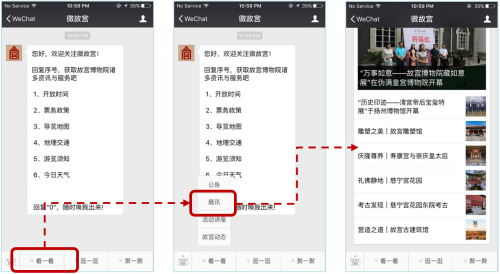
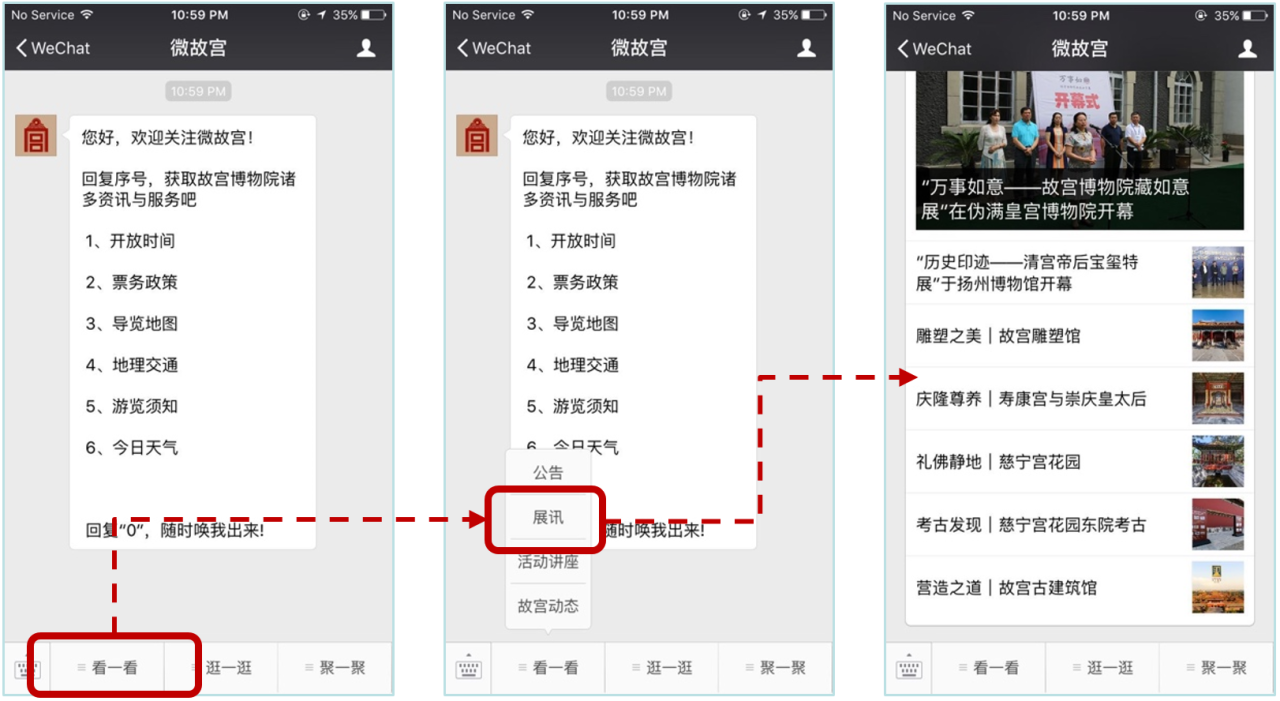
Really good article from Norman Nielsen Group about the good and bad of WeChat. Super insightful.
Zoom Info
Really good article from Norman Nielsen Group about the good and bad of WeChat. Super insightful.
Zoom Info

Really good article from Norman Nielsen Group about the good and bad of WeChat. Super insightful.

(via WeChat: China’s Integrated Internet User Experience)

Source: nngroup.com

  • 9 years ago
  • Permalink
Share

Short URL

TwitterFacebookPinterestGoogle+
This reads like a description of my personal hell. So glad I got out of there whilst I could.
“ Your mind briefly drifts off and you think — “is this all really worth it? should I move to Seattle, Austin, or maybe even Florida?” After all there is no...
Pop-up View Separately

This reads like a description of my personal hell. So glad I got out of there whilst I could.

Your mind briefly drifts off and you think — “is this all really worth it? should I move to Seattle, Austin, or maybe even Florida?” After all there is no state tax and you could live a great quality of life there with an actual house with your beautiful family.

(via This is Your Life in Silicon Valley — Medium)

Source: medium.com

  • 9 years ago
  • Permalink
Share

Short URL

TwitterFacebookPinterestGoogle+
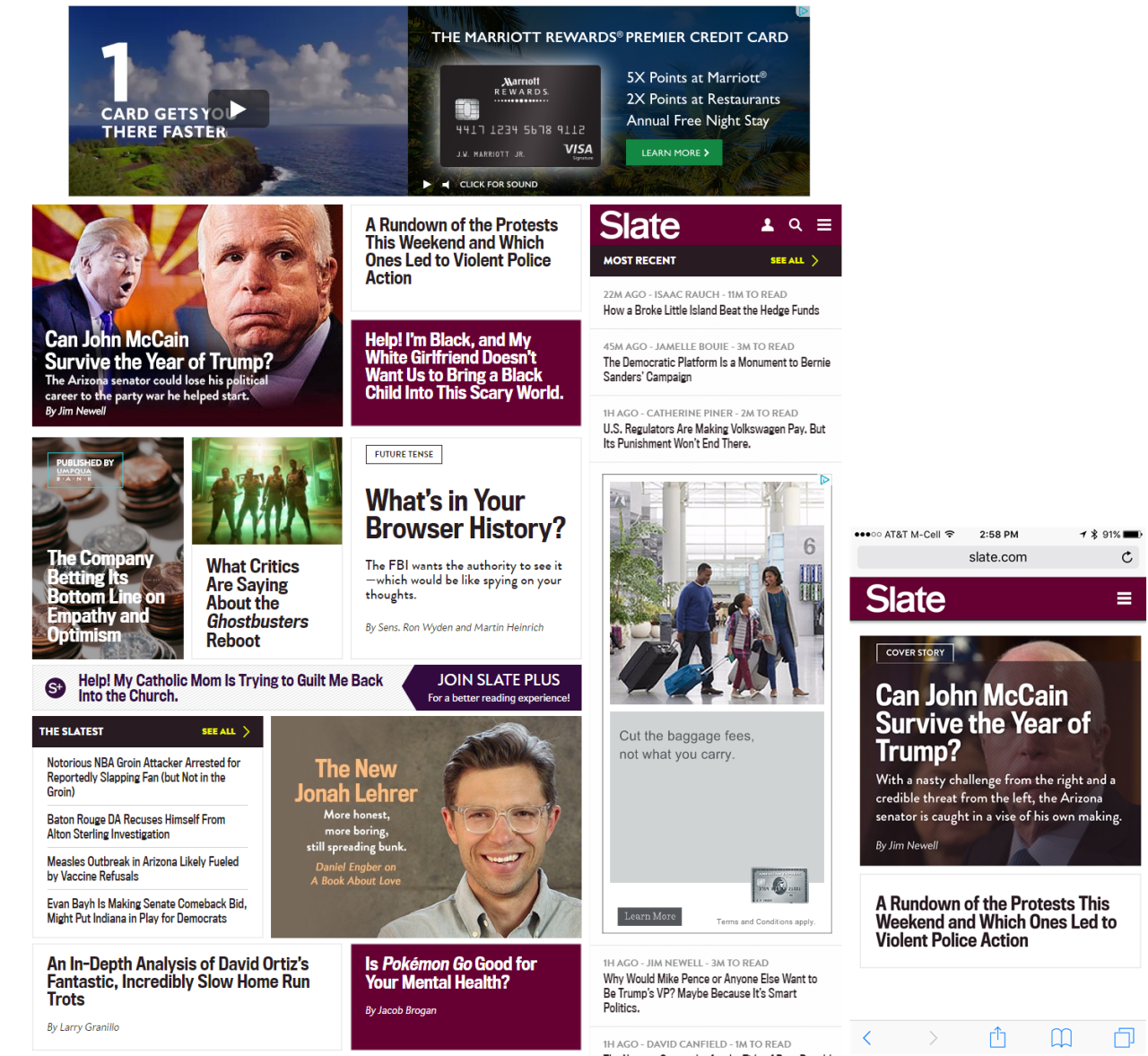
“ Summary: Mobile-navigation patterns make navigation unusable on the desktop and decrease the use of this important UI element. Porting an unchanged UI to a different platform hurts UX.
”
Pop-up View Separately

Summary: Mobile-navigation patterns make navigation unusable on the desktop and decrease the use of this important UI element. Porting an unchanged UI to a different platform hurts UX.

(via Mobile First Is NOT Mobile Only)

Source: nngroup.com

  • 9 years ago
  • Permalink
Share

Short URL

TwitterFacebookPinterestGoogle+
“ Summary: Getting back to the homepage is about 6 times harder when the logo is placed in the center of a page compared to when it’s in the top left corner.
”
Pop-up View Separately

Summary: Getting back to the homepage is about 6 times harder when the logo is placed in the center of a page compared to when it’s in the top left corner.

(via Centered Logos Hurt Website Navigation)

Source: nngroup.com

  • 9 years ago
  • Permalink
Share

Short URL

TwitterFacebookPinterestGoogle+
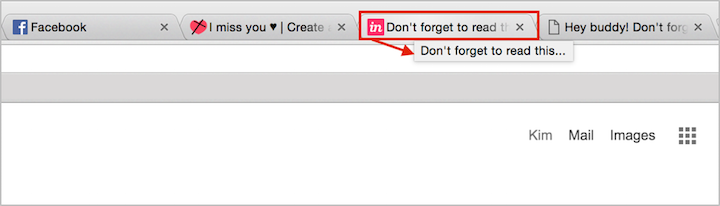
Ugh, these are gross design patterns. They could be effective but man do they cheapen the brand.
Zoom Info
Ugh, these are gross design patterns. They could be effective but man do they cheapen the brand.
Zoom Info

Ugh, these are gross design patterns. They could be effective but man do they cheapen the brand.

(via Needy Design Patterns: Please-Don’t-Go Popups & Get-Back-to-Me Tabs)

Source: nngroup.com

  • 10 years ago
  • Permalink
Share

Short URL

TwitterFacebookPinterestGoogle+
As a UX afficianado and someone who loves exporing apps and interations, I love so many things in this article:
• Mega menus are my jam!
• Pie menus are awesome on mobile!
• Marking menu’s should be a standard interaction for expert users...
Pop-up View Separately

As a UX afficianado and someone who loves exporing apps and interations, I love so many things in this article:

  1. Mega menus are my jam!
  2. Pie menus are awesome on mobile!
  3. Marking menu’s should be a standard interaction for expert users everywhere!

So much to love in this article.

Summary: Selecting an option inside a menu depends on how far away that option is from the menu icon. Drop-down menus, megamenus, pie or radial menus, and marking menus arrange items in different patterns to optimize the reach time.

(via Expandable Menus: Pull-Down, Square, or Pie?)

Source: nngroup.com

  • 10 years ago
  • Permalink
Share

Short URL

TwitterFacebookPinterestGoogle+
Be cool, man, be cool.
“ Summary: Websites must establish trust and present themselves as credible to turn visitors into customers. The methods that people use to determine trustworthiness on the web have remained stable throughout the years, even...
Pop-up View Separately

Be cool, man, be cool.

Summary: Websites must establish trust and present themselves as credible to turn visitors into customers. The methods that people use to determine trustworthiness on the web have remained stable throughout the years, even with changing design trends.

(via Trustworthiness in Web Design: 4 Credibility Factors)

Source: nngroup.com

  • 10 years ago
  • Permalink
Share

Short URL

TwitterFacebookPinterestGoogle+
Page 1 of 285
← Newer • Older →

Portrait/Logo

Johan Lieu. Passionate product manager, UI/UX/IA devotee, enthusiastic gamer, fan of sci-fi epics and lover of all things internets.

Previously Product at SurveyMonkey (Audience, Contribute, Rewards), Wufoo, JibJab, Evite, Sulake Oy (Habbo Hotel).

Founded Pigskin Picker, and Dinner Party Smarty.

Me, Elsewhere

  • @iomegadrive on Twitter
  • Facebook Profile
  • iomegadrive on Last.fm
  • iomegadrive on Foursquare
  • Linkedin Profile

Twitter

loading tweets…

Following

  • RSS
  • Random
  • Archive
  • Ask me anything
  • Mobile
Effector Theme — Tumblr themes by Pixel Union